
NI FlexRIO is a specialist tool. If your lab runs FlexRIO chassis for high-speed multi-camera acquisition, you already know it handles imaging workloads that commodity GigE cameras can't touch. The question we hear from automotive tier-1 teams: can AI defect inference run in the same pipeline, or does layering machine learning on top of an FPGA-based acquisition stack add more complexity than it's worth?
In our experience integrating vision inspection software with a range of hardware platforms, FlexRIO integration is achievable, but it demands a clear-eyed view of where the FPGA sits in the data path, what LabVIEW's role actually is, and whether in-line inference is the right target for your line speed. Not every application needs it. Some do.
What FlexRIO Is Actually Used For
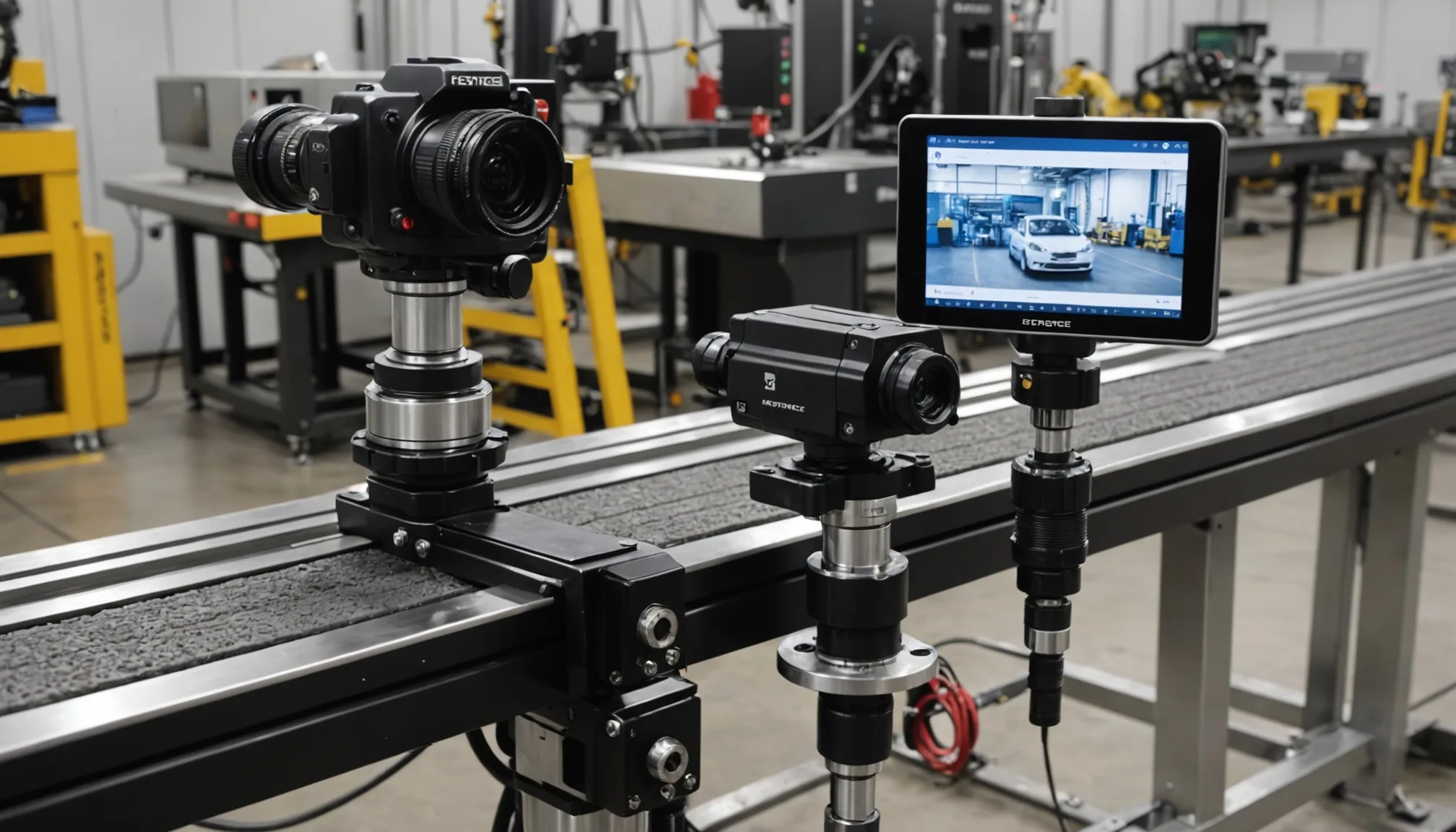
FlexRIO modules pair a Xilinx FPGA with high-bandwidth interfaces, typically Camera Link, CoaXPress, or custom LVDS configurations. In test and measurement labs, this means the FPGA handles frame-level preprocessing, triggering logic, and synchronization across camera arrays before data ever touches a host CPU. In-line inspection applications at automotive press or weld lines frequently run 4 to 8 cameras simultaneously at frame rates above 200 fps, with deterministic sub-millisecond trigger latency coordinated from the FPGA fabric itself.
That determinism is why FlexRIO earns its price tag. You're not just buying image acquisition, you're buying synchronization guarantees. For a stamped door panel where you need all four cameras to fire within 20 microseconds of each other, that matters. A lot.
Most teams we've worked with run FlexRIO in one of two configurations: tightly coupled to a line PLC via FPGA I/O for in-line gating, or in a standalone test stand where LabVIEW orchestrates acquisition and the host machine handles everything downstream. The AI integration path looks different in each case.
Where AI Inference Enters the Pipeline
Here's the thing: AI inference does not run on the FlexRIO FPGA. The FPGA handles pixel acquisition, basic preprocessing (demosaic, crop, normalize), and frame buffering. The inference model, whether a convolutional defect detector or a classification head, runs on the host CPU or a discrete GPU attached to the PXI chassis host controller.
The data path looks like this:
- Camera fires on FPGA trigger.
- FPGA acquires frame, applies hardware preprocessing (pixel format conversion, ROI crop).
- DMA transfer moves frame buffer to host RAM via PCIe, typically in under 2 ms for a 5 MP frame.
- Host queues frame for inference, either via a Python subprocess calling the model or via LabVIEW's .NET call interface.
- Inference result returns to LabVIEW. Pass/fail signal routes back through FPGA I/O to the reject actuator.
That PCIe DMA step is where latency accumulates. On a well-configured PXI system with a modern host controller, we've measured end-to-end inference latency from trigger to reject output at around 35 to 80 ms on a mid-tier GPU, depending on model complexity and frame resolution. For most automotive stamping lines running at 6 to 12 parts per minute, that window is fine. For high-cadence connector or fastener inspection at 60 ppm or above, it gets tight.
In-Line vs. Post-Process: A Real Decision
Not every FlexRIO application needs in-line reject logic. This is worth saying directly, because the instinct in automotive is always to go in-line. But the latency budget calculation matters.
| Application type | Typical cadence | Latency budget | AI in-line feasibility |
|---|---|---|---|
| Stamped body panel inspection | 6-12 ppm | >2 seconds | Yes, straightforward |
| Weld bead verification | 15-25 ppm | 1-2 seconds | Yes, with GPU |
| Connector pin inspection | 60-120 ppm | 200-400 ms | Possible, model size matters |
| High-speed web inspection | Continuous | <50 ms | Requires optimization or post-process |
Post-process inspection, where frames are stored to NVMe and analyzed after the part moves downstream, is a legitimate architecture. You still catch defects before final assembly, just not at the press. For labs running FlexRIO in test and measurement setups rather than production line gating, post-process almost always makes more sense. The FPGA captures everything at full fidelity; inference runs asynchronously without any latency constraint.
The LabVIEW Integration Path
LabVIEW is the glue. A necessary one. And that's both an asset and a constraint.
NI's IMAQ vision libraries give you direct access to FlexRIO image buffers from LabVIEW code. From there, the most common AI integration pattern we've seen is calling a Python inference server from LabVIEW via the System Exec VI or a TCP socket interface. The Python side runs your model, typically PyTorch or ONNX Runtime, and returns a structured result. LabVIEW parses the response and drives the I/O.
A cleaner path, where available, is LabVIEW's .NET interop. If your team wraps the inference model in a .NET assembly, you get direct in-process calls with no subprocess overhead, shaving 5 to 15 ms from the latency budget. It requires more upfront engineering, but on tight-cycle applications it's worth the investment.
Practical note: LabVIEW's Python Node (introduced in LabVIEW 2018) is tempting but carries overhead. For throughput above 10 fps, the subprocess launch cost adds up. A persistent Python process with a socket interface is more predictable in production.
One thing we'd flag for NI shops: if your LabVIEW installation is on a version prior to 2019, the Python interop story is noticeably rougher. Plan for an upgrade if you're committing to this integration path.
FlexRIO vs. Basler or Cognex: When the Complexity Pays Off
Honest answer: for many automotive vision applications, FlexRIO is overkill.
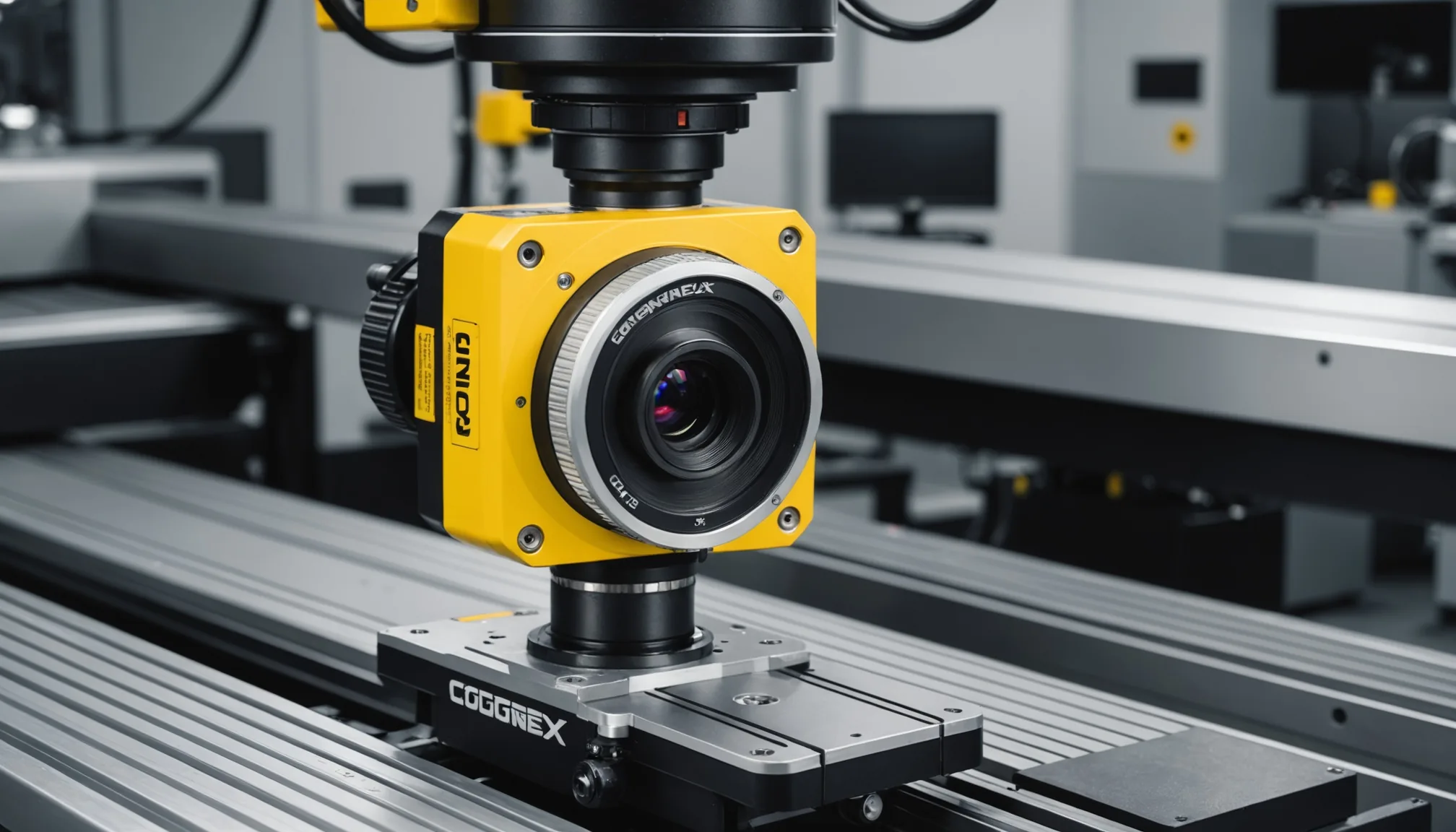
A Basler ace2 or Cognex In-Sight 9000 series camera running on GigE Vision will handle the majority of single-station inspection tasks with significantly simpler integration. Cognex's built-in AI tools in ViDi Suite run directly on the smart camera. You skip the FPGA layer, LabVIEW licensing, and custom host infrastructure entirely.
FlexRIO earns its complexity in three specific situations. First, when you need synchronous multi-camera acquisition with sub-millisecond trigger skew across 4 or more cameras, and GigE or USB trigger jitter is too high. Second, when your application requires custom FPGA logic, real-time exposure control, custom pixel preprocessing, or hardware-in-the-loop test sequences that a smart camera can't accommodate. Third, when your lab is already standardized on NI PXI infrastructure for test and measurement, and adding vision is an extension of an existing investment, not a greenfield build.
If none of those three apply to your application? Consider Basler or Cognex first. Simpler stack, faster deployment, lower TCO. We've seen programs spend 3 to 6 months longer than necessary on FlexRIO integration when a smart camera would have shipped in 8 weeks.
Practical Checklist Before You Commit
- Confirm your LabVIEW and FPGA bitfile versions are current, outdated bitfiles are a common source of integration failures.
- Benchmark DMA transfer latency before selecting GPU hardware; the PCIe bus can be a bottleneck on older PXI chassis.
- Define your inference latency budget in writing before architecture sign-off.
- Prototype the Python or .NET inference bridge in a development chassis before committing to production hardware.
- Plan for model update deployment. Updating an ONNX model on a Cognex is 2 clicks. Updating one on a FlexRIO-based system requires coordinated versioning with the LabVIEW project.
Conclusion
FlexRIO plus AI inference is a solved problem, not a research project. The data path is well-understood, the LabVIEW integration patterns exist, and teams with existing NI infrastructure can extend into AI-based defect detection without replacing hardware. What it isn't is simple. The integration requires deliberate latency budgeting, a clear decision between in-line and post-process architectures, and an honest assessment of whether FlexRIO's FPGA capabilities are actually needed for the application at hand.
When the requirements justify it, specifically multi-camera synchronization at scale or custom FPGA logic, the result is a robust inspection system that commodity hardware can't match. When they don't, a modern smart camera will get you to production faster and at lower cost. Know which situation you're in before you write the purchase order.
Working on a FlexRIO-based inspection integration? Talk to our team about AI model deployment on existing NI hardware.