

A fine-tuned edge AI model that learns your specific defect library, scores every part at line speed, and outputs pass/fail directly to your PLC—with complete traceability for PPAP documentation and SCAR audit support.
Manual visual inspection on automotive tier-1 lines has a fixed accuracy ceiling that production speed eventually exceeds. At 30 or more units per minute, a human inspector has under 80 milliseconds per part to identify fine surface defects—hairline cracks, coating voids, porosity, dimensional out-of-tolerance conditions—against an OEM specification that may require sub-100-ppm escape rates. That task is not achievable at production line speed by any number of inspectors working any number of shifts.
Automotive tier-1 suppliers running stamped metal, plastic injection, and powertrain subassembly lines face a persistent inspection gap: manual visual inspection cannot sustain the accuracy that OEM defect specifications demand when line speed exceeds 30 units per minute. Human inspectors fatigue, miss fine surface defects such as hairline cracks, porosity, and coating voids, and cannot maintain sub-100-ppm escape rates across multi-shift production windows. The result is a costly cycle of SCAR events, sorting labor, and yield holds that erodes margin and damages OEM relationships.
The root cause is not effort but physics. At line speed, the human eye has under 80 milliseconds to evaluate each part. Fine surface defects that fail OEM dimensional and aesthetic standards require consistent, calibrated attention that no manual process can guarantee at scale. Every missed defect is a potential field escape with liability consequences that far exceed the original inspection cost.
The Qcvisionly inspection system integrates directly into existing production line infrastructure. No line stoppage, no new camera hardware in most cases, and no separate IT project. The system connects to your existing cameras and PLCs, learns your specific defect library, and begins scoring parts at production speed within weeks of installation.
High-resolution images are captured at the inspection station by your existing Basler, Cognex, Keyence, or NI FlexRIO camera, triggered by the part-present sensor already in your line control logic. The image capture event is synchronized with your MES or PLC part-routing metadata so every image is linked to a specific cavity, serial number, or production timestamp from the moment of capture.
Compatible with Basler ace and Cognex cameras already deployed on existing inspection stations. Supports Keyence IV-Series and National Instruments FlexRIO camera inputs. No camera replacement required in most installations. High-resolution greyscale and color imaging at production line frame rates up to 120 fps.
The captured image is passed immediately to the Qcvisionly edge compute module, where a convolutional model fine-tuned on your customer-specific defect library scores the part against your defect categories and OEM tolerance limits. Inference completes in under 80 milliseconds end-to-end. The model outputs a pass, fail, or manual-review classification with a defect class label and a confidence score.
Convolutional neural network fine-tuned on 50,000 or more labeled images from your specific production line and defect taxonomy. Model scores each part image and assigns a pass or fail decision with a defect class and confidence score. Inference completes within 80 milliseconds end-to-end from image capture to output signal. Model retraining available as your defect library evolves.
The pass/fail decision and defect classification are sent to your Siemens Simatic or Rockwell FactoryTalk PLC via OPC-UA or Ethernet/IP within the 80 ms window. The PLC triggers existing divert actuation on fail parts. Review-flagged parts are routed for manual confirmation before the next production cycle.
Pass or fail decision delivered to Siemens Simatic or Rockwell FactoryTalk PLC via OPC-UA within 80 milliseconds of image capture. Defect class, image reference, confidence score, part serial number, and timestamp written to traceability database for PPAP, SCAR response, and continuous quality improvement audit support. No additional control layer or middleware server required.
Six core capabilities engineered specifically for automotive tier-1 quality requirements: line-speed scoring at 80 millisecond latency, customer-specific model training on your defect library, direct PLC integration via OPC-UA, full defect traceability for PPAP and SCAR audit support, Cognex VisionPro migration support for existing rule-based vision stations, and multi-vendor camera compatibility with Basler, Keyence, and National Instruments FlexRIO hardware already deployed in your facility. Each capability is designed to integrate with existing production infrastructure rather than replace it, minimizing installation disruption and capital expenditure.
Score every part at production rate without slowing the line or adding manual holds
Qcvisionly’s inference engine runs on an edge compute module mounted at the inspection station, processing each part image within 80 milliseconds of capture. At 30 units per minute, that leaves 2 full seconds of margin before the next part arrives—enough headroom to handle burst sequences without queuing. The latency budget is validated during onboarding on the customer’s specific camera configuration and part cadence before go-live. No cloud round-trip in the inspection decision path; the cloud tier handles traceability storage and model updates only.
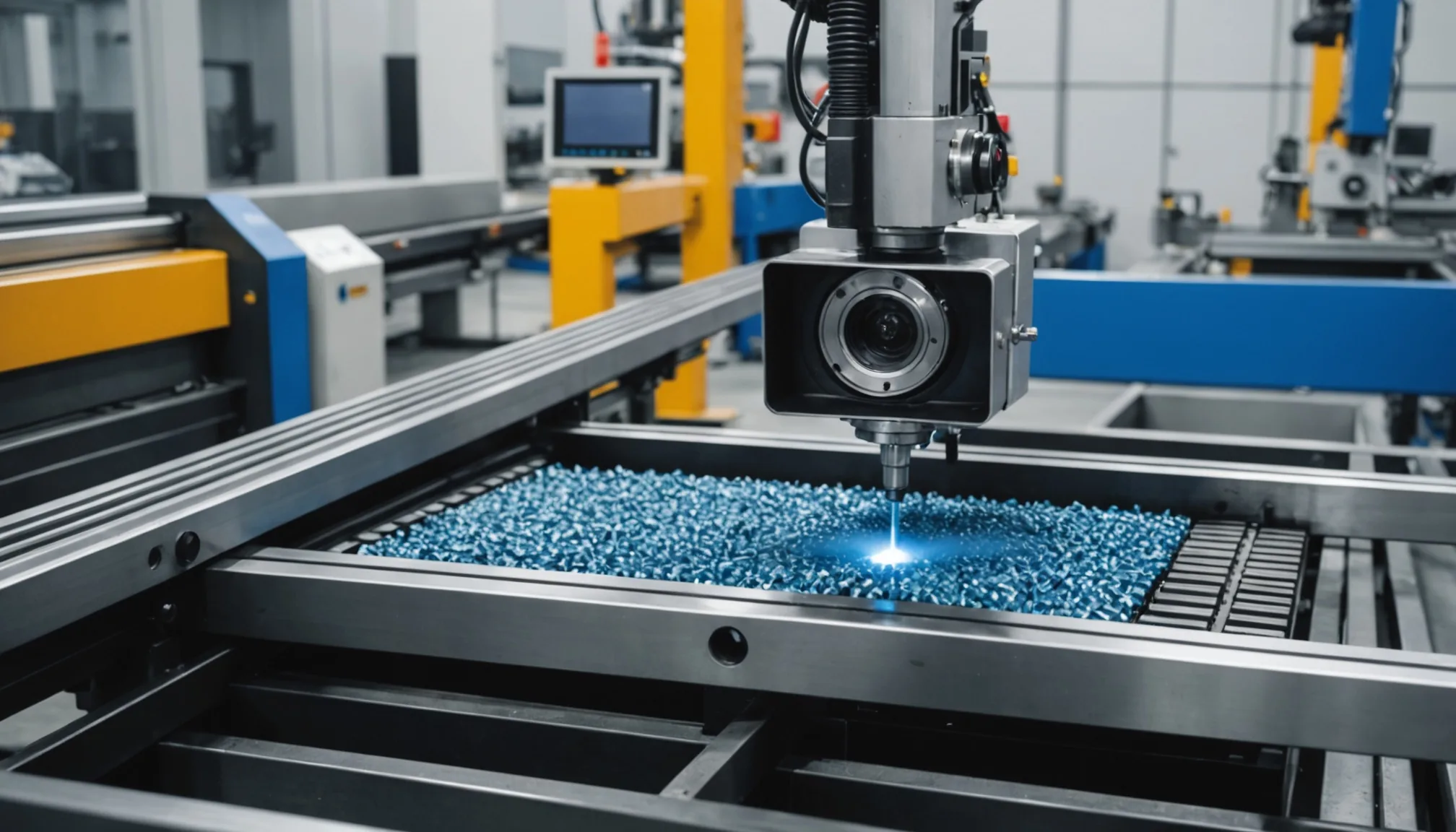
Train the inspection model on your actual defect library, not a generic industrial dataset
Generic pretrained vision models miss the fine surface defects that matter on automotive grade-A surfaces because they are trained on broad industrial imagery, not on the specific part geometry, lighting conditions, and defect morphology of a given line. Qcvisionly runs a 6-week fine-tuning engagement using labeled images from the customer’s own inspection station—reviewed by the customer’s quality engineers—to build a model calibrated to their part specifications and OEM tolerance requirements. The resulting model is deployed to the edge module and recalibrated quarterly as part geometry or tooling changes accumulate.

Output pass/fail decisions directly to existing PLC divert logic without a new control layer
Automotive tier-1 lines run Siemens Simatic or Rockwell FactoryTalk Vision control systems for production sequencing and divert actuation. Qcvisionly sends pass/fail and defect classification results over OPC-UA or Ethernet/IP directly to the existing PLC I/O, triggering the divert chute or rejection gate the line already has in place. Quality engineers do not need to add a separate SCADA screen or HMI—the inspection result appears as a discrete output on the existing control panel alongside other process variables. Integration commissioning typically completes in 2–4 days per station.
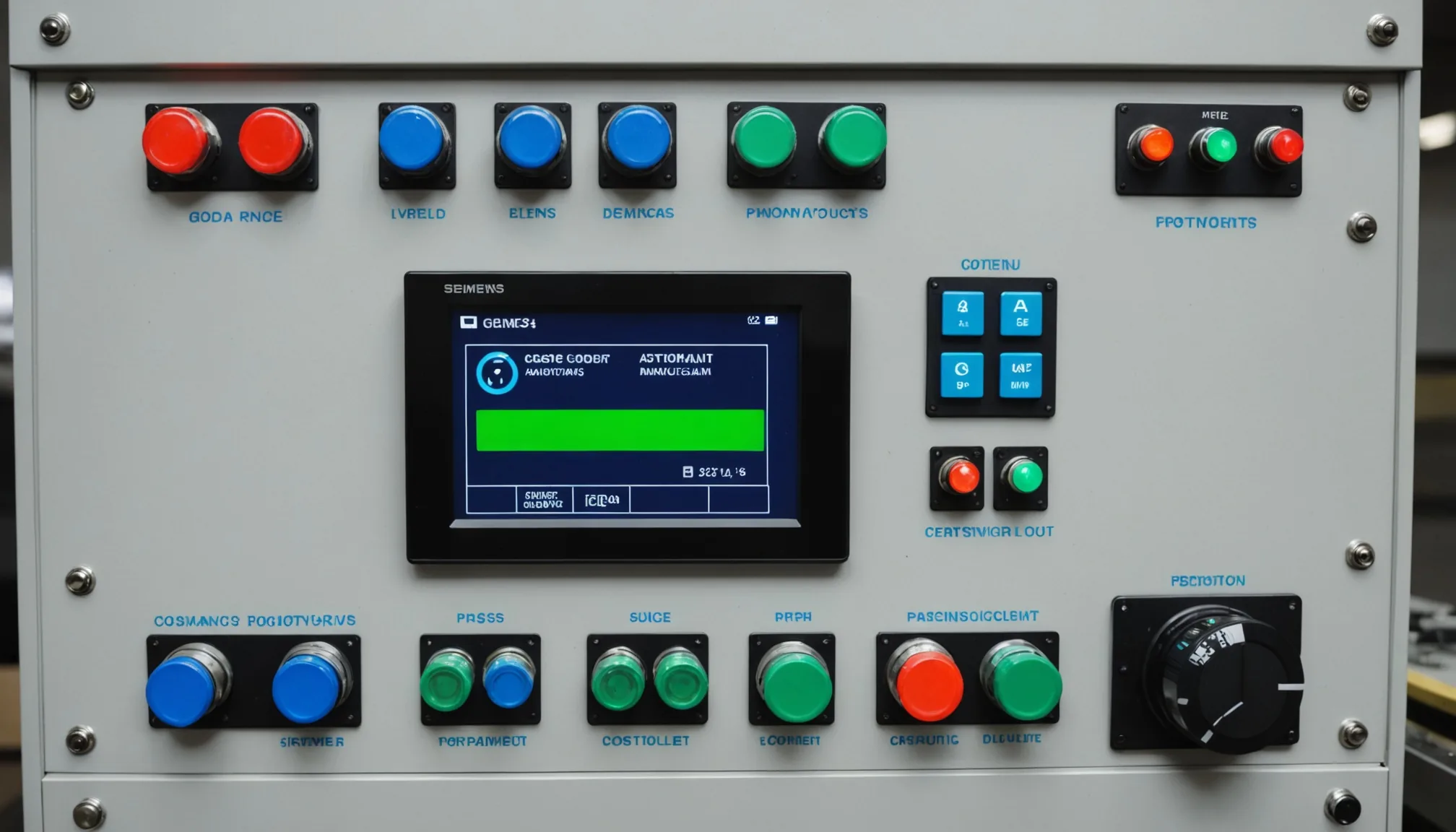
Store every part image, defect class, and decision timestamp for PPAP, SCAR, and audit support
Every inspection event—image, defect classification, confidence score, pass/fail decision, part serial or cavity identifier, and timestamp—is written to the Qcvisionly traceability database in real time. When an OEM issues a SCAR or requests PPAP documentation for a new part number, quality engineers pull the relevant production window’s inspection records directly from the platform rather than assembling manually from line logs. The traceability export matches the AIAG format expected in PPAP Level 3 submissions, reducing SCAR response preparation time from days to hours.

Upgrade existing Cognex rule-based inspection tools to AI-model defect detection without camera replacement
Many automotive tier-1 lines already have Cognex In-Sight or VisionPro systems running rule-based inspection for gross dimensional checks but are missing fine surface defect detection that rule-based tools cannot reliably handle. Qcvisionly installs on the same Basler or Cognex camera hardware the line already uses, adding an AI model inference layer alongside the existing rule-based logic. The Cognex system continues handling its original checks while Qcvisionly adds surface and assembly defect coverage. Lines avoid the capital expenditure and downtime of a full inspection station replacement.
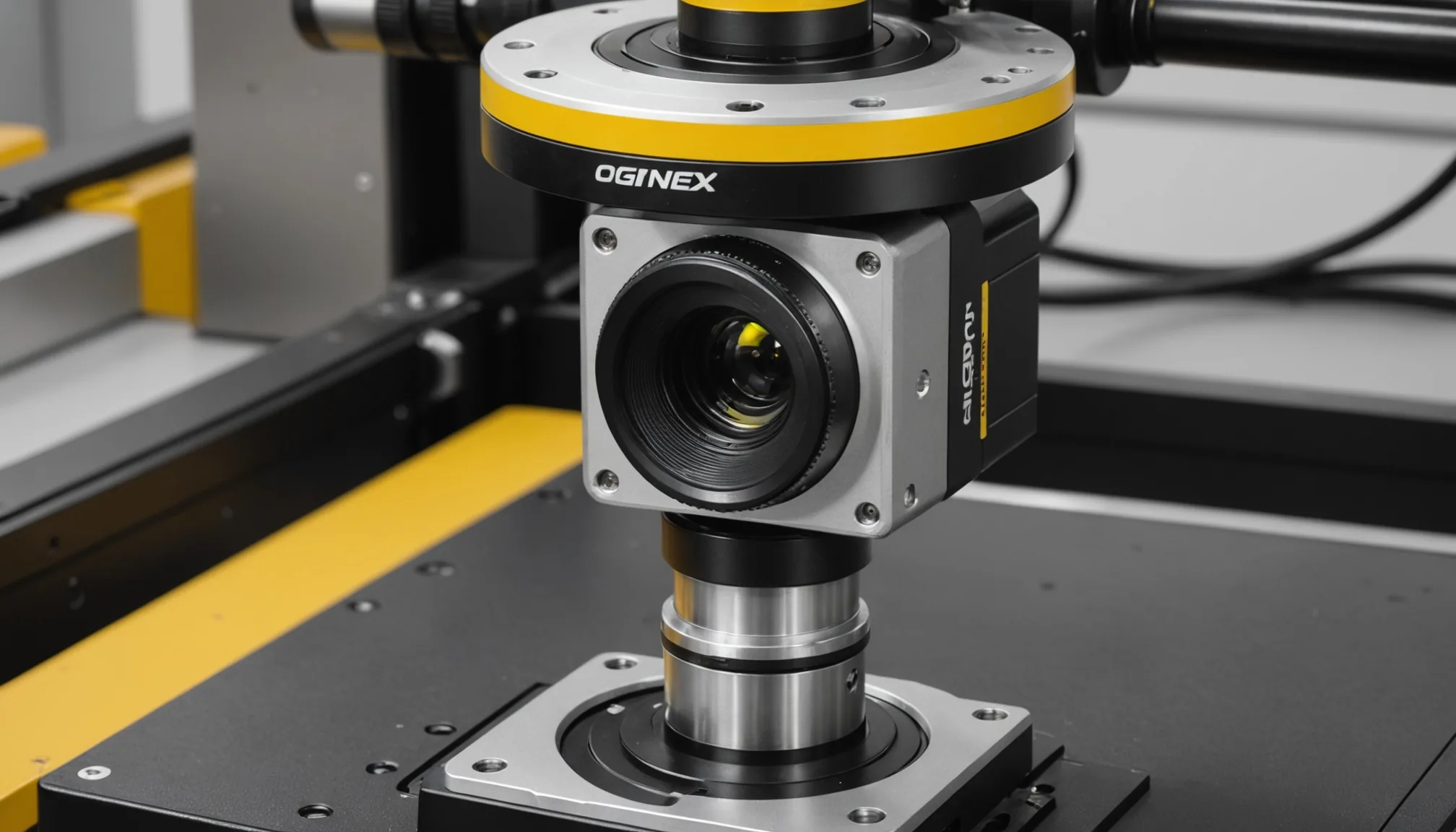
Support Keyence IV-Series and NI FlexRIO cameras already installed on inspection stations
Automotive tier-1 facilities that have standardized on Keyence IV-Series smart cameras for presence and orientation checks, or National Instruments FlexRIO image acquisition for high-speed test applications, can add Qcvisionly AI model inference on top of their existing camera infrastructure. Qcvisionly provides integration drivers for both platforms that pull the raw image buffer before Keyence or NI native processing applies, running the AI defect model in parallel. Lines with mixed camera vendors across stations operate from a single Qcvisionly quality dashboard without needing to standardize hardware across the facility.
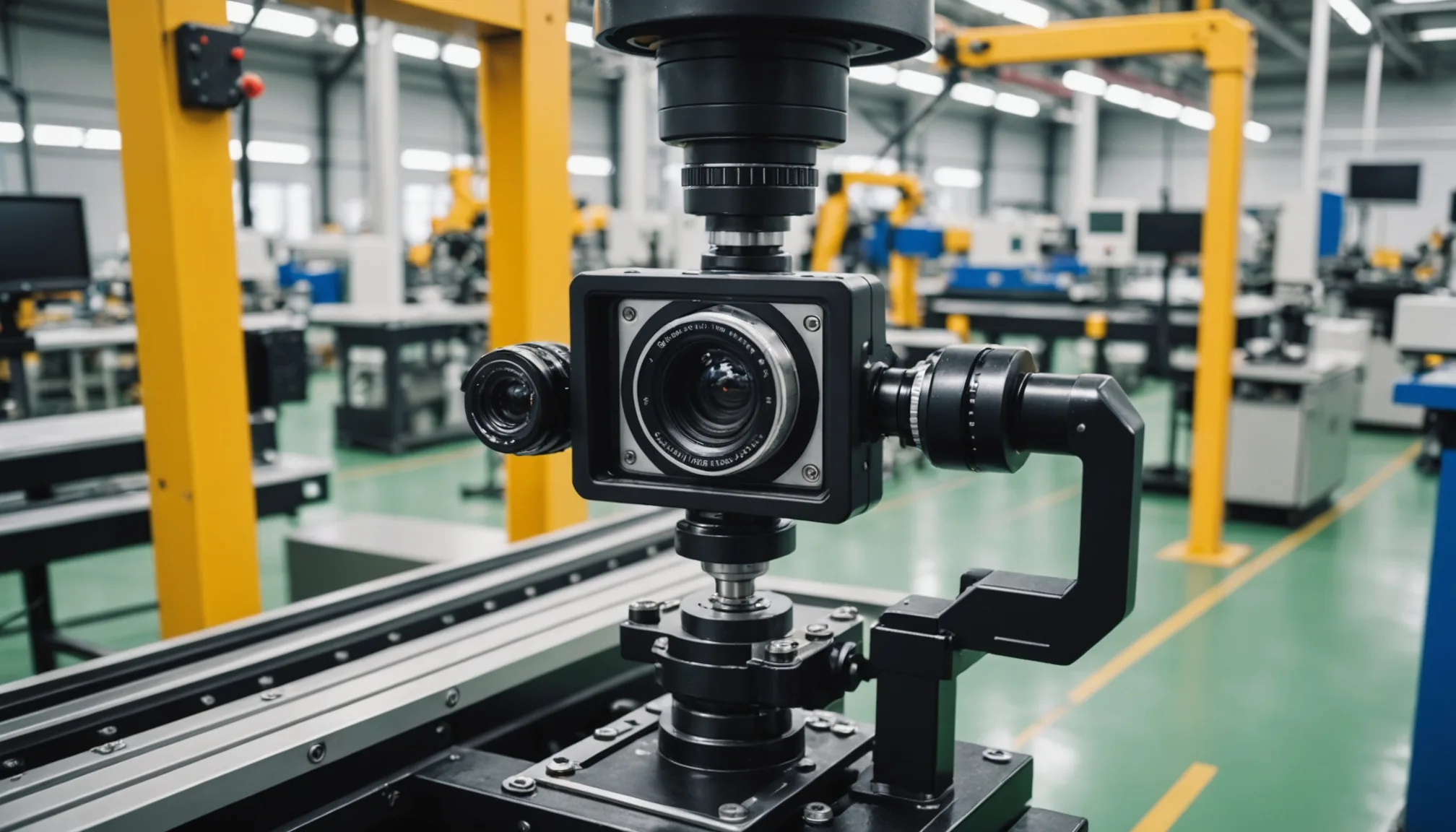
Qcvisionly integrates with the camera hardware and PLC control systems deployed in most automotive tier-1 facilities in the Midwest. No proprietary hardware required. No replacement of existing infrastructure.
 Cognex VisionPro
 Basler ace camera
 Keyence IV-Series
 NI FlexRIO
 Siemens Simatic S7
 Rockwell FactoryTalk
 AIAG PPAP
Qcvisionly is purpose-built for a specific segment of the automotive supply chain. Understanding precisely who benefits most helps quality teams evaluate fit quickly and avoid a mismatch between product capability and operational context.
Automotive tier-1 suppliers with 3-25 production lines, 500-8,000 parts per shift, serving OEM customers with 100-ppm or tighter defect specifications. Operations running stamped metal, plastic injection, or powertrain subassembly with existing Siemens Simatic, Rockwell FactoryTalk, Basler, or Cognex infrastructure. Quality teams that have experienced SCAR events in the last 24 months and need a traceability and escape prevention solution that integrates with existing shop-floor control systems rather than replacing them.
Tier-2 and tier-3 commodity component suppliers without OEM direct quality agreements, consumer electronics operations with fundamentally different defect taxonomies, primary metal producers on continuous process lines where part-level traceability is not applicable, or operations without an existing machine vision camera infrastructure seeking a turnkey hardware-plus-software bundle. We are not a horizontal machine vision vendor and do not pretend to be one.